

 See My Latest Article on HelloNation
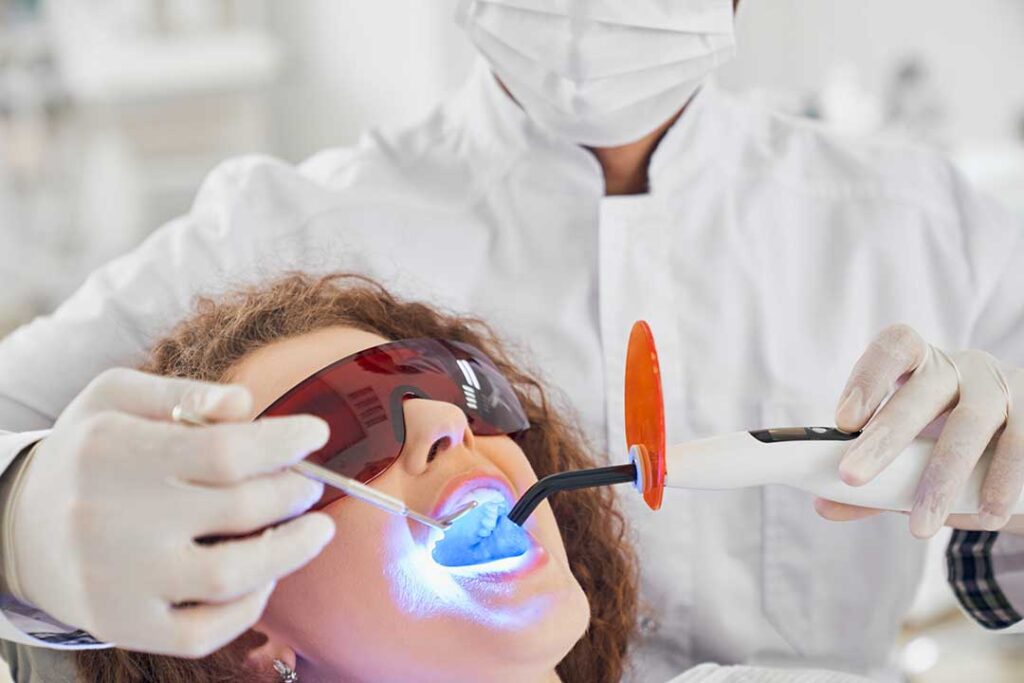
Tooth sensitivity can make ordinary activities—drinking coffee, eating ice cream, brushing, or breathing cold air—feel unexpectedly painful. For residents of Willmar, MN, seasonal temperature changes may make these symptoms more noticeable, but sensitivity is usually related to changes in the tooth, gums, or protective enamel rather than the weather alone.
What does tooth sensitivity feel like?
Tooth sensitivity usually causes a brief, sharp sensation after contact with something cold, hot, sweet, sour, or acidic. Brushing, flossing, or touching a particular area may also trigger discomfort.
The pain often fades quickly after the trigger is removed. That pattern differs from pain that lingers, throbs, occurs without a clear trigger, or wakes someone during sleep. Lingering or spontaneous pain may indicate a deeper problem that needs prompt dental evaluation.
Sensitivity may affect one tooth, several teeth, or a broad area of the mouth. The location and timing can provide useful clues about its cause.
Why do teeth become sensitive?
The outer enamel protects the crown of a tooth, while a layer called cementum helps protect the root below the gumline. Underneath these coverings is dentin, a more porous material containing microscopic channels. When enamel or cementum wears away, sensations can travel through those channels toward the nerve inside the tooth. ([mouthhealthy.org](https://www.mouthhealthy.org/all-topics-a-z/sensitive-teeth/?utm_source=openai))
Common causes include:
- Gum recession: Gum tissue can pull away from the tooth, exposing the root surface. This may occur with gum disease, aging, aggressive brushing, or other factors.
- Enamel erosion: Acidic foods and drinks can gradually soften and wear away enamel. Citrus products, carbonated drinks, sports drinks, and frequent acidic snacking may contribute. ([mouthhealthy.org](https://www.mouthhealthy.org/all-topics-a-z/dietary-acids-and-your-teeth?utm_source=openai))
- Tooth decay: A cavity can expose dentin and cause sensitivity, especially to sweets or cold foods.
- Cracks or worn fillings: A damaged tooth or failing filling may react when biting or when exposed to temperature changes.
- Teeth grinding or clenching: Repeated pressure can contribute to small cracks and enamel wear.
- Recent dental treatment: Cleaning, fillings, whitening, or other procedures can sometimes cause temporary sensitivity.
- Excessive brushing: Brushing harder does not clean better. Forceful brushing can wear the gumline and expose root surfaces.
A cold winter can make cold-air sensitivity more obvious, particularly around exposed roots. However, persistent symptoms should not automatically be blamed on outdoor temperatures.
Can toothpaste reduce sensitivity?
A desensitizing toothpaste may reduce mild sensitivity by helping block sensation from the tooth surface to the nerve. It usually takes repeated use rather than a single application to provide noticeable improvement. Fluoride toothpaste also helps strengthen enamel and prevent decay. ([mouthhealthy.org](https://www.mouthhealthy.org/all-topics-a-z/sensitive-teeth/?utm_source=openai))
Helpful habits include:
- Brush twice daily with a soft-bristled toothbrush and fluoride toothpaste.
- Use gentle, small motions near the gumline instead of scrubbing forcefully.
- Clean between the teeth once a day with floss or another suitable interdental cleaner.
- Spit after brushing rather than immediately rinsing away all the toothpaste.
- Consider a toothpaste made for sensitivity if cold or sweet foods regularly cause brief discomfort.
- Avoid switching repeatedly among whitening products if sensitivity has recently increased.
If a sensitive area is easy to identify, a small amount of desensitizing toothpaste can sometimes be gently applied to the area before bedtime. The product label should be followed, particularly for children.
What foods and habits can make sensitivity worse?
Acid exposure is often overlooked. Enamel erosion can occur even when a food or drink is nutritious and does not taste especially sour. Tomatoes, citrus fruits, fruit juices, flavored waters, and some sports or energy drinks may expose teeth to acids. Eating acidic foods as part of a meal, rather than sipping or snacking on them continuously, can reduce repeated acid exposure. ([mouthhealthy.org](https://www.mouthhealthy.org/all-topics-a-z/dietary-acids-and-your-teeth?utm_source=openai))
After an acidic drink or meal:
- Rinse with water.
- Wait before brushing, since brushing immediately after acid exposure may be harder on softened enamel.
- Avoid slowly sipping acidic beverages over long periods.
- Use a straw when appropriate for drinks that may contribute to erosion.
- Pay attention to frequent heartburn or vomiting, which can also expose teeth to stomach acid.

Cold foods are not necessarily damaging by themselves. They may simply reveal an exposed or irritated area. The goal is to identify why the tooth reacts rather than permanently avoiding every cold item.
When is sensitivity a warning sign?
Sensitivity deserves dental attention when it is severe, lasts more than a short period, keeps returning, or affects one specific tooth. The cause could be a cavity, crack, gum problem, worn filling, or inflammation inside the tooth. Untreated decay can progress to pain, infection, and tooth loss. ([mouthhealthy.org](https://www.mouthhealthy.org/dental-care/how-do-we-prevent-cavities?utm_source=openai))
Seek prompt care for:
- Swelling in the gum, face, or jaw
- Fever or feeling generally unwell
- A bad taste or drainage near a tooth
- Pain that wakes you or occurs without eating or drinking
- Pain when biting
- A broken or visibly cracked tooth
- Sensitivity that lingers after hot or cold contact
- Difficulty swallowing or breathing
These symptoms are not typical of simple, temporary sensitivity. Antibiotics do not fix most causes of tooth pain by themselves; the damaged or infected tooth generally requires dental treatment. ([mouthhealthy.org](https://www.mouthhealthy.org/all-topics-a-z/antibiotics-for-pain-and-swelling?utm_source=openai))
How is the cause identified and treated?
Evaluation usually involves reviewing symptoms, examining the teeth and gums, and sometimes taking dental X-rays. The treatment depends on what the examination shows.
Possible approaches include fluoride treatment, a filling or bonding for exposed dentin, care for gum disease, replacement of a worn filling, or protection for a cracked tooth. If gum recession has exposed a substantial root surface, treatment may focus on protecting that area. Severe, persistent sensitivity caused by damage or infection inside the tooth may require root canal treatment. ([mouthhealthy.org](https://www.mouthhealthy.org/all-topics-a-z/sensitive-teeth/?utm_source=openai))
A useful detail to record is what triggers the pain, how long it lasts, whether it affects one tooth, and whether there is swelling or pain during biting. That information can help distinguish ordinary sensitivity from a problem requiring faster attention.
For households managing cold-weather routines in Willmar, MN, keeping indoor air comfortable, wearing a scarf over the mouth outdoors, and avoiding sudden exposure to very cold air may make symptoms less noticeable. Those steps can improve comfort, but they do not replace evaluation when sensitivity is persistent or worsening.