

 See My Latest Article on HelloNation
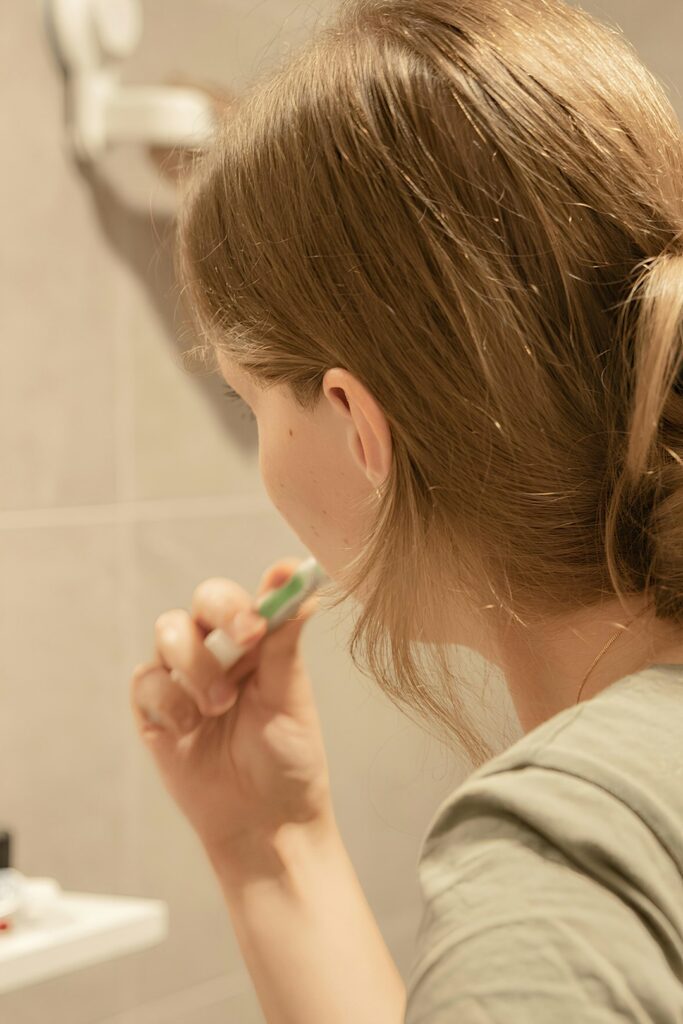
Does bleeding during brushing mean the gums should be left alone?
Usually, no. Bleeding gums often signal inflammation caused by plaque along the gumline, not a need to stop cleaning.
When brushing or cleaning between teeth is inconsistent, gums may become tender, swollen, and more likely to bleed. Gentle daily cleaning can help remove the buildup that contributes to irritation. Use a soft-bristled toothbrush and avoid scrubbing forcefully.
Bleeding that continues for more than a week or two, happens frequently, or occurs with swelling, persistent bad breath, loose teeth, or gum recession deserves attention. Those symptoms can indicate gum disease or another oral health problem.
Is sugar the only thing that causes cavities?
No. Cavities develop through a combination of oral bacteria, fermentable carbohydrates, tooth surfaces, saliva, and time. Sugar is a major contributor, but crackers, bread, sweetened drinks, sports drinks, sticky snacks, and many refined starches can also fuel acid production.
Frequency matters. Sipping a sweetened beverage throughout the day may expose teeth to repeated acid attacks, even if the total amount consumed seems modest. Eating a snack with a meal is generally less damaging than grazing on sugary or starchy foods for hours.
Water between meals helps clear food particles and supports saliva. In areas where winter heating creates dry indoor air, people who already have dry mouth may need to drink water regularly and review medications or health conditions that reduce saliva.
Does brushing harder clean teeth better?
No. Forceful brushing can irritate the gums and gradually contribute to enamel wear or gum recession. Effective brushing depends more on technique, time, and consistency than pressure.
A practical routine is:
- Use a soft-bristled toothbrush.
- Hold it at a slight angle toward the gumline.
- Move it gently over the outer, inner, and chewing surfaces.
- Brush twice daily for about two minutes.
- Replace the brush or brush head when the bristles become worn or spread out.
A manual toothbrush can clean effectively when used carefully. Electric brushes may be helpful for people who have difficulty controlling pressure or reaching all areas, but the device does not replace consistent technique.
Is fluoride unsafe or unnecessary for adults?
Fluoride remains useful throughout life. It helps strengthen enamel, supports repair of early mineral loss, and makes teeth more resistant to acid produced by cavity-causing bacteria.
Fluoride toothpaste is recommended for children and adults, with the amount adjusted for young children. Children under age three generally need only a small smear, about the size of a grain of rice. Children from age three through six typically use a pea-sized amount and should be taught to spit rather than swallow it.
Fluoride does not make teeth immune to cavities. Frequent sugar exposure, dry mouth, acid reflux, tobacco use, poor cleaning, and certain medications can still raise risk. However, avoiding fluoride without a specific medical reason may remove an important layer of protection.
Does flossing only matter when food is stuck?
No. Cleaning between teeth removes plaque from areas a toothbrush cannot reach. Plaque can remain along the sides of teeth even when no food is visibly stuck.
Traditional floss is one option, but interdental brushes, water flossers, and other devices may work better for some people. The most suitable method depends on spacing between teeth, braces, bridges, implants, dexterity, and gum health.
Flossing does not need to happen at a particular time of day. Once-daily cleaning is the practical target. Brushing before or after flossing can both be effective if the surfaces are cleaned thoroughly.
Can mouthwash replace brushing and flossing?
No. Mouthwash may help with specific concerns, such as bad breath, dry mouth, plaque, gingivitis, or cavity prevention, depending on its ingredients. It cannot physically remove all plaque from tooth surfaces and the spaces between teeth.
Mouthwash is best viewed as an addition to brushing and interdental cleaning, not a substitute. Products containing alcohol may feel drying for some people, especially those who already experience dry mouth. Children should not use mouthwash unless an appropriate product and instructions have been provided by a responsible adult or dental clinician.

Are baby teeth unimportant because they eventually fall out?
No. Baby teeth help children chew, speak, and maintain space for permanent teeth. Cavities in primary teeth can cause pain, infection, difficulty eating, sleep disruption, and problems with the developing adult teeth.
Care should begin when the first tooth appears. Clean it gently with a soft brush and a small amount of fluoride toothpaste. Avoid putting a baby to bed with a bottle containing milk, juice, or another sugary drink. Frequent exposure can cause severe early childhood tooth decay.
Primary teeth also matter during school years, when discomfort can interfere with concentration and participation. Protecting them supports a child’s daily health, not just the future appearance of the smile.
Does cold weather damage teeth?
Cold temperatures do not cause cavities, but they can trigger tooth sensitivity. Rapid changes between cold outdoor air and warm indoor conditions may be uncomfortable for teeth with exposed roots, worn enamel, cracks, decay, or recent dental work.
The community’s long heating season can also contribute to dry indoor air. Dry mouth reduces the protective effects of saliva and may increase the risk of cavities, mouth irritation, difficulty swallowing, and bad breath.
People with sensitivity can try avoiding sudden temperature extremes, using a soft brush, and choosing toothpaste designed for sensitivity. New, severe, or localized sensitivity should not be dismissed as a normal winter problem.
Is bad breath always caused by poor hygiene?
No. Tongue coating, gum disease, cavities, dry mouth, tobacco use, sinus drainage, reflux, and some medical conditions can contribute to persistent bad breath.
Cleaning the tongue gently, brushing twice a day, cleaning between teeth, drinking water, and avoiding tobacco may help. Breath fresheners can temporarily cover an odor without addressing its cause.
An odor that persists despite careful daily cleaning, particularly when paired with bleeding gums, pain, a bad taste, or dry mouth, may indicate an underlying problem.
Do teeth naturally become weaker with age?
Teeth do not have to deteriorate simply because a person gets older. However, risk can increase because of gum recession, reduced saliva, medication side effects, root exposure, worn fillings, difficulty brushing, and long-term exposure to acidic or sugary foods.
Older adults may need adjustments such as a larger toothbrush handle, an electric brush, an interdental cleaner, fluoride products, or help organizing daily care. Dentures also require cleaning and regular evaluation; they do not eliminate the need to care for the mouth.
When is a dental problem urgent?
Severe swelling of the face or gums, fever, uncontrolled bleeding, difficulty breathing or swallowing, a serious jaw injury, or rapidly worsening pain requires prompt medical attention. A broken tooth, lost filling, or mild sensitivity may be less urgent but should still be addressed before it develops into a larger problem.
For everyday prevention, the most reliable habits remain straightforward: brush twice daily with fluoride toothpaste, clean between teeth once a day, limit frequent sugar exposure, drink water, avoid tobacco, and pay attention to changes that do not resolve.